
Wildlife Destinations
Below is a quick guide explaining the most famous wildlife destinations in India, Nepal & Bhutan.
Let’s start with India.
Discover the Best Tiger Safari Destinations in India
Madhya Pradesh: Often called the “Tiger State” of India
Kanha, Bandhavgarh, Pench, Panna, Satpura & Sanjay dubri Tiger reserve
Madhya Pradesh, often called the “Tiger State” of India, is home to some of the country’s most iconic and successful tiger reserves. With its diverse landscapes, dense forests, and thriving wildlife populations, Madhya Pradesh offers an unparalleled opportunity to witness the majestic Royal Bengal Tiger in its natural habitat.
Madhya Pradesh’s tiger reserves are not only known for their impressive tiger populations but also for their rich biodiversity. From leopards and sloth bears to deer, langurs, wild dogs, golden jackals, Indian gaurs, antelpoes, foxes, wolves, crocodiles, and a variety of bird species, these reserves support a wide range of flora and fauna.
The tiger reserves of Madhya Pradesh are a testament to the state’s commitment to wildlife conservation. Through effective protection measures, habitat restoration, and community involvement, these reserves have played a significant role in conserving the critically endangered Royal Bengal Tiger.
Beyond the tigers, Madhya Pradesh’s tiger reserves boast stunning natural beauty, with picturesque landscapes, meandering rivers, and lush forests. Visitors can enjoy scenic drives, nature walks, and birdwatching while exploring these pristine wilderness areas.
Top Tiger Reserves:
- Bandhavgarh Tiger Reserve: Known for its high tiger density, Bandhavgarh is one of India’s most popular tiger reserves. Visitors can explore the park’s diverse habitats, ancient forts, and rich cultural heritage while spotting tigers, leopards, and other wildlife.
- Kanha Tiger Reserve: Immortalized by Rudyard Kipling’s “The Jungle Book,” Kanha is renowned for its scenic beauty and abundant wildlife. The park is home to a thriving tiger population, as well as species like the barasingha, Indian wild dog, and gaur.
- Pench Tiger Reserve: Spanning the border between Madhya Pradesh and Maharashtra, Pench is a haven for tigers and other predators. Visitors can enjoy jeep safaris, nature walks, and birdwatching excursions while exploring the park’s diverse habitats.
- Panna Tiger Reserve: Panna Tiger Reserve is a haven for wildlife enthusiasts and nature lovers. Established in 1981, this sprawling reserve spans over 540 square kilometers of pristine wilderness, offering a glimpse into the rich biodiversity of the region. Panna is renowned for its tiger population and successful conservation efforts, making it an ideal destination for tiger safaris and wildlife photography.
- Satpura Tiger Reserve: Satpura Tiger Reserve is a pristine sanctuary of natural beauty and biodiversity. Established in 1981, this sprawling reserve spans over 2,200 square kilometers of rugged terrain, encompassing dense forests, rolling hills, and meandering rivers. Satpura is renowned for its diverse wildlife, including the majestic Royal Bengal Tiger, making it a must-visit destination for wildlife enthusiasts and nature lovers alike.
- Sanjay Dubri Tiger Reserve: The untapped wildlife heaven of Sanjay National Park and Dubri Wildlife Sanctuary falls in the Sidhi district of Madhya Pradesh. Together, they cover 831 km2. Sanjay Dubri Tiger Reserve, which is known for its rare and exquisite species of flora and fauna, is covered with sal forest. The forest is popular for its rich biodiversity, which makes it one of the perfect habitats for animals like the tiger, sloth bear, Chital, Nilgai, Chinkara, Barking Deer, leopard, Porcupine, Jackal, Fox, Jungle Cat, Hyena, Indian Wolf, Indian Python, Four-horned Antelope, Dhole (a wild dog), and Sambar (restricted to steep terrain and in very small numbers) that have been discovered.
Mohan, the famous white tiger, had been captured in what is now the Bastua range of the Dubri Wildlife Sanctuary on May 26, 1951. Mohan was found hiding in a cave near the Pankhora nullah. For almost two decades, Mohan remained in captivity, siring virtually all the current world population of white tigers.
More information for visitors:
- Location: Madhya Pradesh
- How to reach: Nagpur, Jabalpur, Raipur, and Khajuraho are the nearest big cities that connect to these tiger reserves.
- Best time to visit: October to June
- Entry requirements: There is an entry fee for visitors, with separate charges for Indian and foreign nationals.
- Guided Tour: Guided tours and boat rides are available for visitors to explore the park and observe its wildlife closely.
- Accommodation: There are various accommodation options available near all tiger reserves, ranging from luxury resorts to budget-friendly lodges, ensuring a comfortable stay amidst nature.
Rajasthan: Exploring Rajasthan’s Tiger Reserves: Where Majestic Beasts Roam
Ranthambore & Sariska Tiger Reserve
Rajasthan, renowned for its vibrant culture, magnificent forts, and vast deserts, is also home to some of India’s most captivating wildlife sanctuaries and tiger reserves. These reserves not only preserve the majestic Bengal tiger but also offer a haven for a diverse array of flora and fauna. Let’s embark on a journey to discover the wilderness of Rajasthan’s tiger reserves.
Top Tiger Reserves:
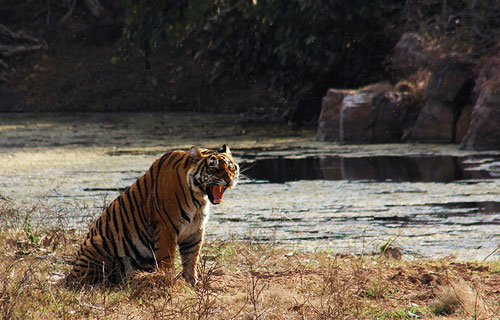
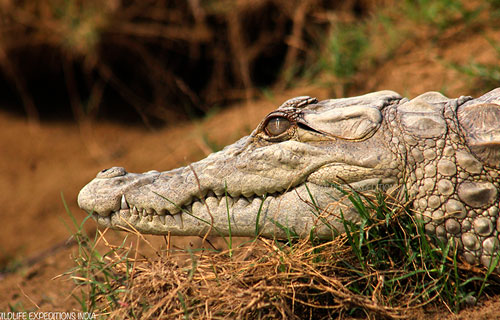
1-Ranthambore National Park: Nestled in the Sawai Madhopur district of Rajasthan, Ranthambore National Park stands as one of India’s & world’s most famous tiger reserves. Spread over an area of 1,334 square kilometers, this park is renowned for its thriving tiger population, offering visitors a chance to witness these magnificent creatures in their natural habitat. Besides tigers, Ranthambore is home to a rich biodiversity, including leopards, sloth bears, crocodiles, and various species of birds. The park’s picturesque landscapes, dominated by ancient ruins and tranquil lakes, add to its allure, making it a must-visit destination for wildlife enthusiasts and nature lovers alike.
2-Sariska Tiger Reserve: Located in the Alwar district of Rajasthan, Sariska Tiger Reserve is another gem in the state’s wildlife crown. Spread across 866 square kilometers, this reserve is characterized by its rugged terrain, dense forests, and rocky hills. Sariska gained fame for successfully relocating tigers from Ranthambore in an ambitious conservation effort. Alongside tigers, Sariska is home to a diverse range of wildlife, including leopards, jungle cats, hyenas, and numerous bird species. Visitors can explore the reserve through safari tours, trekking trails, and nature walks, immersing themselves in the untamed beauty of Rajasthan’s wilderness.
More information for visitors:
- Location: Rajasthan
- How to reach: Delhi is the nearest big city which connects to these tiger reserves
- Best time to visit: October to June
- Entry requirements: There is an entry fee for visitors, with separate charges for Indian and foreign nationals.
- Guided Tour: Guided tours and boat rides are available for visitors to explore the park and observe its wildlife closely.
- Accommodation: There are various accommodation options available near tiger reserves, ranging from luxury resorts to budget-friendly lodges, ensuring a comfortable stay amidst nature.


"Discover the Avian Paradise: Keoladeo Ghana Bird Sanctuary
Keoladeo Ghana National Park, formerly known as the Bharatpur Bird Sanctuary, is a UNESCO World Heritage Site located in the Bharatpur district of Rajasthan, India. It is renowned for its avian diversity, making it a paradise for bird watchers and nature enthusiasts alike. The park spans over 29 square kilometers and comprises wetlands, woodlands, grasslands, and scrublands, providing a varied habitat for numerous species of birds and other wildlife.
Originally a hunting ground for the maharajas of Bharatpur, the area was declared a bird sanctuary in 1956. In 1982, it was designated as a national park and later inscribed as a UNESCO World Heritage Site in 1985 due to its ecological significance. The park is home to over 370 species of birds, including migratory birds that visit during the winter months from as far as Siberia and Central Asia. Some notable species include the Siberian crane, painted stork, Sarus crane, and the greater flamingo. Apart from birds, the park also harbors various mammals like spotted deer, sambar, nilgai, and reptiles like the Indian python and several species of turtles. Its diverse habitat comprises wetlands, marshes, grasslands, and woodlands, created by the Ajan Bund, a dam constructed in the 18th century by Maharaja Suraj Mal. The artificial wetlands attract a myriad of waterfowl, while the surrounding woodlands provide nesting sites for numerous bird species.
More information for visitors:
- Location: Keoladeo Ghana National Park is situated in the Bharatpur city of Rajasthan, India.
- How to reach: Keoladeo Ghana National Park is easily accessible by road from major cities like Delhi, Jaipur, and Agra. The nearest railway station is Bharatpur Junction, and the closest airport is in Agra, approximately 56 kilometers away.
- Best time to visit: The ideal time to visit Keoladeo Ghana National Park is during the winter months (October to March) when the park teems with migratory birds.
- Entry requirements: There is an entry fee for visitors, with separate charges for Indian and foreign nationals.
- Guided Tour: Guided tours and boat rides are available for visitors to explore the park and observe its wildlife closely.
- Accommodation: Nearby accommodations range from budget hotels to luxury resorts, catering to different preferences and budgets.


World's last remaining home to Asiatic lions - Gir National Park
Gir National Park is globally acclaimed for its successful conservation efforts aimed at protecting the endangered Asiatic lion. With a population that once teetered on the brink of extinction, From a population of approximately 20 lions in 1913, they have risen to an approx. 674 according to the 2020 census. Gir has been instrumental in the resurgence of these magnificent beasts.
Visitors to the park have the very good opportunity to witness these lions and photograph them in their natural habitat, roaming freely amidst the dense forests and undulating landscapes. While the Asiatic lion rightfully claims the spotlight, Gir National Park is home to a plethora of other wildlife species. From elusive leopards and graceful deer to vibrant birdlife and elusive reptiles, the park boasts a rich tapestry of biodiversity.
Nature enthusiasts and wildlife photographers are in for a treat as they explore the park’s diverse ecosystems, ranging from deciduous forests and grasslands to perennial rivers and rocky hills. Embark on an exhilarating safari adventure through Gir National Park for an up-close encounter with its inhabitants. Hop on a safari vehicle accompanied by expert guides who unravel the secrets of the wilderness. Whether it’s a morning safari or an afternoon safari, every moment spent in Gir promises an unforgettable experience amidst nature’s grandeur.
More information for Visitor:
- Location: Gir National Park is situated in the Junagadh district of Gujarat, India.
- How to Reach: The Gir National Park is accessible by road from major cities like Junagarh, Rajkot, And Ahmedabad. The nearest airports include Rajkot and Ahmedabad, while railway stations in Junagarh which is 65 km away.
- Best Time to Visit: The park is open for visitors from October to June, with December to March being the ideal time for wildlife sightings.
- Entry Requirements: Visitors are required to obtain permits from the park authorities or online portal before entering. Additionally, guided safaris are the only way to explore the park.
- Accommodation: There are various accommodation options available near Gir National Park, ranging from luxury resorts to budget-friendly lodges, ensuring a comfortable stay amidst nature.


Discover the Mystique of the Aravalli Hills - Jawai leopard conservancy - Bera
The Jawai Leopard Conservation Reserve, located in the Bera region of Rajasthan, India, is a unique initiative to protect the endangered Indian leopard while promoting harmonious coexistence between humans and wildlife. It is situated in the Aravalli hills of Rajasthan and is a prime example of successful conservation efforts in India.
The reserve is renowned for its thriving population of Indian leopards and offers visitors an opportunity to witness these majestic big cats in their natural habitat. Established in response to escalating human-wildlife conflicts and habitat degradation, the Jawai Leopard Conservation Reserve was created to safeguard leopard populations and support local communities through eco-tourism initiatives. In addition to leopards, the reserve is home to a diverse array of flora and fauna typical of the Aravalli landscape.
Visitors can spot other wildlife species as well such as Indian gazelles, sloth bears, jungle cats, Striped hyenas, leopard cats, rusty spotted cats, mongoose, porcupines, bluebells, and a variety of local and migratory bird species amidst the rugged terrain, jawai dam, and scrub forests.
More information for Visitor:
- Location: The Jawai Leopard Conservation Reserve, located in the Bera region of Rajasthan, India
- How to Reach: The Jawai Leopard Conservation Reserve is accessible by road from major cities like Udaipur, Jodhpur, and Jaipur. Nearest airports include Udaipur and Jodhpur, while railway stations in Falna and Jawai Bandh serve as convenient transit points
- Best Time to Visit: October to March is the ideal time to visit Jawai Leopard Conservancy.
- Entry Requirements: Visitors are required to obtain permits from the authorities which the tour operator or lodge staff can do before entering. Additionally, guided safaris are the only way to explore the area.
- Accommodation: Accommodation options near the Jawai Leopard Conservation Reserve range from luxury tented camps to boutique lodges, offering guests a comfortable and immersive experience amidst the wilderness of Rajasthan.


Nestled in the picturesque foothills of the Himalayas - Jim Corbett National Park
Corbett National Park was established in 1936 as Hailey National Park, named after Sir Malcolm Hailey, the then-governor of the United Provinces. Later, it was renamed after Jim Corbett, the famous hunter-turned-conservationist and author, who played a crucial role in its establishment. It is situated in the foothills of the Himalayas, covering parts of Nainital, Pauri Garhwal, and Almora districts in the state of Uttarakhand. The Ramganga River flows through the park.
Jim Corbett National Park’s designation as India’s first tiger reserve and the launch site of Project Tiger marked a significant milestone in wildlife conservation. Project Tiger was launched on April 1, 1973, by the Government of India, to conserve the declining tiger population in the country. Jim Corbett National Park was chosen as the first site for Project Tiger, making it the first tiger reserve under the project. The primary objective was to ensure a viable population of Bengal tigers in their natural habitats, protecting them from extinction and preserving biodiversity.
Corbett is known for its rich biodiversity. It is home to a variety of flora and fauna, including Bengal tigers, Asian elephants, leopards, sloth bears, golden jackals, mongoose, otters, various species of deer, and hundreds of bird species. The park is especially famous for its significant population of Bengal tigers and asiatic elephants. The park encompasses diverse landscapes, including hills, marshy depressions, riverine belts, grasslands, and large lakes. This diverse terrain provides habitats for a wide range of wildlife species.
More information for Visitor :
- Location: It is situated in the foothills of the Himalayas, covering parts of Nainital, Pauri Garhwal, and Almora districts in the state of Uttarakhand.
- How to Reach: The nearest major town to Corbett National Park is Ramnagar, which is well-connected by road and rail. The nearest railway station from Corbett is Ramnagar which is around 12 km from the park and the station is directly connected to the railway stations in Delhi. A direct train runs from Delhi to Ramnagar which is the best way to reach Corbett from Delhi. If one wants to go by air, Phoolbagh in Pantnagar is the nearest airport. It is located 78 km away from Jim Corbett.
- Best Time to Visit: November to May is the ideal time to visit Corbett National Park
- Entry Requirements: Visitors are required to obtain permits from the park authorities or online portal before entering. Additionally, guided safaris are the only way to explore the park.
- Accommodation: Accommodation options range from luxury lodges to mid-range jungle resorts to boutique lodges, offering guests a comfortable and immersive experience amidst the wilderness of Kumaon in your budget.


Kaziranga national park:
Located in the northeastern state of Assam, India, Kaziranga National Park is a UNESCO World Heritage Site renowned for its rich biodiversity and conservation efforts. Established in 1905 as a sanctuary to protect the endangered Indian one-horned rhinoceros, Kaziranga has since expanded to become a haven for a multitude of wildlife species. Located in the Golaghat and Nagaon districts of Assam, Kaziranga spans an area of approximately 430 square kilometers (166 square miles). The park is situated on the banks of the Brahmaputra River and is part of the larger Kaziranga–Karbi Anglong Landscape.
Witness the majestic Indian one-horned rhinoceros in its natural habitat. Kaziranga is home to the largest population of this iconic species, making it one of the best places in the world to observe these magnificent creatures up close. Explore the park’s diverse ecosystems, which support a wide range of wildlife, including Bengal tigers, Asian elephants, wild water buffalo, and various species of deer. Kaziranga’s wetlands and grasslands provide critical habitats for these and many other species. Delight in the avian wonders of Kaziranga, which boasts over 500 species of birds, including the globally threatened Bengal florican and the rare greater adjutant stork. Birdwatchers from around the world flock to Kaziranga to catch glimpses of these rare and beautiful birds.
The landscape of Kaziranga consists of vast grasslands, marshes, and tropical broadleaf forests, intersected by numerous water bodies, including rivers, lakes, and ponds. The park’s mosaic of habitats provides essential resources for its diverse wildlife and supports a complex ecosystem.
More information for Visitor:
- Location: Kaziranga National Park is located in Golaghat, Nagaon, and Sonitpur districts of Assam, Northeast India.
- How to Reach: The Kaziranga National Park is accessible by road from the major city of Guwahati. The nearest airports are in Jorhat & Guwahati, while the nearest railhead to Kaziranga is Furkating which is located at a distance of 80 Kilometers. The station receives trains from Guwahati, Delhi, and Kolkata.
- Best Time to Visit: The park is open to visitors from November to April, with the best time for wildlife viewing being from February to April when the weather is dry and animals congregate around water sources.
- Entry Requirements: Visitors are required to obtain permits from the park authorities or online portal before entering. Additionally, guided safaris are the only way to explore the park.
- Accommodation: There are various accommodation options available near Kaziranga National Park, ranging from luxury resorts to budget-friendly lodges, ensuring a comfortable stay amidst nature.
EXPLORE THE OUTSTANDING NATURAL BEAUTY AND RICH BIODIVERSITY OF MANAS NATIONAL PARK:
Nestled in the verdant foothills of the eastern Himalayas, Manas National Park is a UNESCO World Heritage Site and one of India’s premier wildlife reserves. Established in 1990, this pristine wilderness sanctuary spans approximately 950 square kilometers, encompassing a mosaic of habitats that support a rich diversity of flora and fauna.
Explore the park’s diverse ecosystems, including lush tropical forests, grasslands, and meandering riverine landscapes. Manas is renowned for the very rare and endangered species of leopard clouded leopard, it is also known for its population of other endangered species such as the Bengal tiger, Indian elephant, and Indian rhinoceros. With over 450 species of birds recorded, including rare and endemic species like the Bengal florican and white-winged wood duck, Manas offers an unparalleled birdwatching experience. Capture breathtaking glimpses of avian wonders amidst the park’s picturesque setting.
Manas National Park is a beacon of conservation success, with ongoing efforts focused on habitat restoration, anti-poaching measures, and community engagement. Transboundary conservation initiatives with neighboring Bhutan further enhance wildlife corridors and promote ecological connectivity.
More information for Visitor:
- Location: Manas National Park is located in Barpeta Road, Chirang and Baksa District of Assam, Northeastern India.
- How to Reach: Manas National Park is accessible by road from major cities in Assam, with the nearest town being Barpeta Road. The closest airport is in Guwahati, approximately 176 kilometers away.
- Best Time to Visit: The park is open to visitors from November to April, with the best time for wildlife viewing being from February to April when the weather is dry and animals congregate around water sources.
- Entry Requirements: Visitors are required to obtain permits from the park authorities or online portal before entering. Additionally, guided safaris are the only way to explore the park.
- Accommodation: There are various accommodation options available near Manas National Park, ranging from luxury resorts to budget-friendly lodges, ensuring a comfortable stay amidst nature.


Explore the Avian Wonders of the Himalayan Foothills
Nestled in the picturesque Himalayan foothills, Uttarakhand is a paradise for birdwatchers, boasting a rich diversity of avian species amidst stunning natural landscapes. From the dense forests of Jim Corbett National Park to the serene lakes of Nainital, Uttarakhand offers a myriad of birding destinations waiting to be explored.
Uttarakhand’s varied topography, ranging from dense forests and alpine meadows to river valleys and high-altitude lakes, provides a wide range of habitats for birds. Each region offers unique opportunities to observe different species in their natural environment. Birdwatchers in Uttarakhand can spot a variety of rare and endemic species, including the Himalayan monal, cheer pheasant, white-crested laughingthrush, and the elusive Himalayan quail. The state is also home to a significant population of migratory birds that visit during the winter months.
Beyond the birds, Uttarakhand’s stunning scenery adds to the allure of birding in the region. From snow-capped peaks and cascading waterfalls to lush valleys and pristine lakes, every birding excursion is accompanied by breathtaking views of the Himalayas.
Top Birding Destinations:
Jim Corbett National Park: Explore the diverse habitats of India’s oldest national park, home to over 600 bird species, including the rare Bengal florican, crested kingfisher, and great hornbill.
Nainital: Discover the avian diversity around the famous lakes of Nainital, including Naini Lake, Bhimtal, and Sattal. Keep an eye out for species such as the bar-tailed tree creeper, scarlet minivet, and hill partridge.
Binsar Wildlife Sanctuary: Immerse yourself in the tranquility of Binsar, where dense oak and rhododendron forests provide a haven for birds like the Himalayan griffon, Eurasian jay, and Himalayan bulbul.
Pangot and Sattal: Visit the charming villages of Pangot and Sattal, known for their bird-friendly environment and excellent birding trails. Spot species like the koklass pheasant, Himalayan rubythroat, and black-headed jay.
More information for Visitor:
- Locations for birding: Jim Corbett National Park, chopta, Rajaji National Park, munsyari, Binsar, sattal, pangot, manila.
- How to Reach: Two domestic airports in Uttarakhand are the Jolly Grant Airport and Pantnagar Airport. The Jolly Grant airport, located 22 km. away from the city, operates flights from Delhi, Mumbai, Bangalore, and Chennai. Pantnagar Airport is a gateway to Nainital, Almora, and Ranikhet.
- Best Time to Visit: The ideal time for bird-watching in Uttrakhand is from February to May
- Entry Requirements: Visitors must obtain permits from the authorities which the tour operator or lodge staff can do before entering. Additionally, guided treks are the only way to explore the area, and taking a guide is mandatory.
- Accommodation: Various accommodation options are available around Uttarakhand, ranging from homestay to luxury resorts to budget-friendly lodges, ensuring a comfortable stay amidst nature.
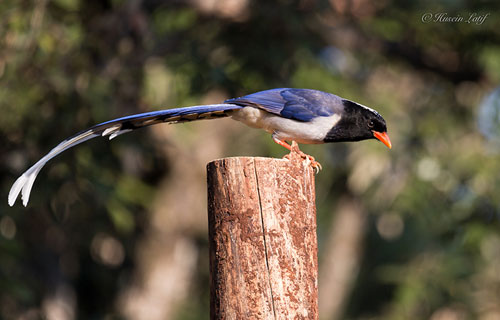
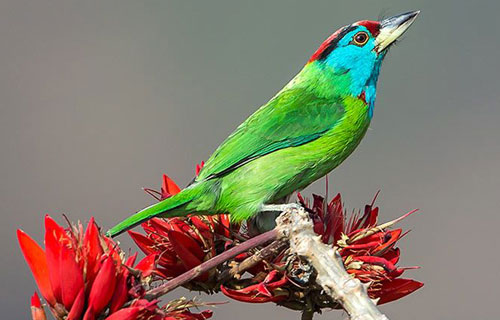
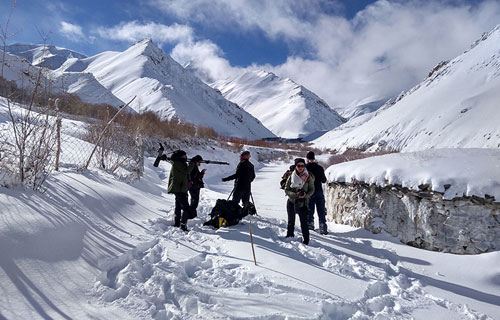
Explore the Untamed Wilderness of the Himalayas - Hemis high altitude national park
Situated in the mesmerizing landscapes of Ladakh, Hemis National Park is a treasure trove of biodiversity and natural beauty. Established in 1981, it spans an area of over 4,400 square kilometers, making it the largest national park in India. Hemis is renowned for its unique high-altitude ecosystem, which supports a wide variety of flora and fauna.
Hemis National Park is famous as one of the best places in the world to spot the elusive snow leopard. With an estimated population of over 200 individuals, it’s a prime destination for wildlife enthusiasts and photographers seeking to witness these majestic big cats in their natural habitat. Beyond the snow leopard, Hemis is home to diverse wildlife, including Asiatic ibex, Tibetan argali, Eurasian brown bear, Red fox, Himalayan marmot, Eurasian lynx, wooly hare, blue sheep, Himalayan weasel, and numerous bird species such as the Tibetan snowcock, lammergeier, the golden eagle, etc. The park’s unique flora includes alpine meadows, scrublands, and high-altitude desert vegetation.
Hemis is not only a wildlife sanctuary but also holds cultural significance. The region is home to the Hemis Monastery, a 17th-century Tibetan Buddhist monastery hosting the annual Hemis Festival, attracting visitors worldwide to witness its vibrant celebrations.
More information for Visitor:
- Location: Hemis National Park is a high-elevation national park in Hemis in Leh district of Ladakh, India. It approx. 50 km from Leh, the capital of Ladakh.
- How to Reach: You will find regular flights from major cities like Delhi, Mumbai, and Srinagar operating to Leh. Once at the Leh airport, you can hire a taxi or take a bus to Hemis, which is around 40 km away and takes around an hour
- Best Time to Visit: For the Snow leopard trek which is mostly organized during the winter months between November- March, as these cats come down to lower altitudes in search of prey. During this trek, you will be climbing up to 12000- 14000 feet. June to October is also a good time to explore Hemis National Park and its beauty during this time the weather is comparatively pleasant
- Entry Requirements: Visitors are required to obtain permits from the authorities which the tour operator or lodge staff can do before entering. Additionally, guided treks are the only way to explore the area, and taking a guide is mandatory.
- Accommodation: Various accommodation options are available near hemis National Park, ranging from luxury resorts to budget-friendly lodges, ensuring a comfortable stay amidst nature.


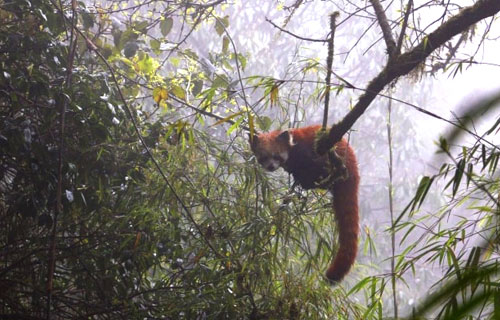
Discover the Enigmatic Red Panda in its Natural Habitat - Singalila National Park
The Red Panda Trek in Singalila National Park offers a unique opportunity to encounter the elusive and endangered red panda in its natural Himalayan habitat. Singalila, situated in the Indian states of West Bengal, Sikkim, and Nepal is renowned for its pristine forests, alpine meadows, and breathtaking mountain vistas. The Red Panda Trek takes you on a journey through these enchanting landscapes in search of this charming and elusive creature.
The trek offers a rare chance to observe the red panda, a shy and elusive mammal known for its distinctive red fur and bushy tail. Singalila National Park is one of the last remaining habitats of the red panda, making it a prime location for wildlife enthusiasts and photographers seeking to catch a glimpse of this enchanting creature.
As you traverse the rugged terrain of Singalila, you’ll be treated to breathtaking views of the world’s highest peaks, including Mount Everest, Kanchenjunga, and Makalu. The park’s diverse landscapes, from lush forests to alpine meadows, provide a stunning backdrop for your trekking adventure.
In addition to the red panda, Singalila National Park is home to a diverse array of flora and fauna. Keep an eye out for Himalayan black bears, clouded leopards, colorful birds, and unique plant species as you explore the park’s pristine wilderness.
Trekking Experience:
The Red Panda Trek offers an immersive trekking experience through the heart of Singalila National Park. Accompanied by experienced guides and naturalists, you’ll embark on a journey through dense forests, verdant valleys, and rolling hills in search of the red panda and other wildlife species.
More information for Visitor :
- Location: Singalila National Park is situated in the Indian states of West Bengal and Sikkim, and Nepal (on the Indo-Nepalese border)
- How to Reach: From India – From Darjeeling (West Bengal), nearest indian town – Manebhanjan. From Nepal – one can take a taxi to Kathmandu airport, fly to Bhadrapur, then take the drive to Singalila National Park.
- Best Time to Visit: From October to April.
- Entry Requirements: Visitors are required to obtain permits from the authorities which the tour operator or lodge staff can do before entering. Additionally, guided safaris are the only way to explore the area.
- Accommodation: Accommodation options near the Singalila National Park are from homestays to comfortable lodges, offering guests a comfortable and immersive experience amidst the wilderness of Himalayas.
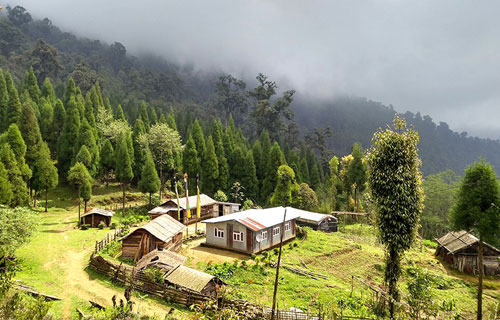

A Wildlife Sanctuary Amidst Nature's Canvas - Kabini National Park:
Kabini National Park is an enchanting haven nestled in the heart of Karnataka, India. Renowned for its breathtaking landscapes, diverse wildlife, and pristine surroundings, Kabini beckons nature enthusiasts and wildlife aficionados alike. It is located in Karnataka, India, and offers a mesmerizing blend of wildlife, adventure, and natural beauty. The park’s strategic location near the Kabini River ensures a lush habitat for a diverse range of flora and fauna.
Kabini National Park is celebrated for its rich biodiversity, boasting a plethora of wildlife species that thrive in its varied ecosystems. The park is home to majestic creatures such as elephants, tigers, leopards, black panthers, wild dogs, mongooses, wild boars, sloth bears, and gaurs, offering wildlife enthusiasts the opportunity to witness these magnificent animals in their natural habitat. Additionally, Kabini is a paradise for birdwatchers, with over 300 avian species, including rare and migratory birds, gracing its skies and water bodies.
Safari experiences at Kabini National Park to encounter its resident wildlife up close. Jeep safaris and boat safaris are popular choices for exploring the park’s diverse terrain, from dense forests to serene waterways. Experienced guides lead visitors through the wilderness, sharing insights into the park’s ecology and wildlife behavior, ensuring a memorable and informative adventure.
More information for visitors:
- Location: Kabini National Park, located in Karnataka, India. The nearest big city is Bangalore.
- How to reach: Kabini National Park is easily accessible by road from the nearest big city Bangalore. The closest station to Kabini is Mysore railway station, around 70km away. The nearest airport to Kabini is Bangalore (Kempegowda International Airport) or Coimbatore (Coimbatore International Airport).
- Best time to visit: The ideal time to visit Kabini National Park is from October to February. Kabini in winter is pleasant, with temperatures ranging between approximately 15-25 degrees Celsius, making it perfect for sightseeing, wildlife safaris, and other outdoor activities.
- Entry requirements: There is an entry fee for visitors, with separate charges for Indian and foreign nationals.
- Guided Tour: Guided tours and boat rides are available for visitors to explore the park and observe its wildlife closely.
- Accommodation: Nearby accommodations range from budget hotels to luxury resorts, catering to different preferences and budgets.


follow our blog post to know more about other national park, tiger reserves and wildlife destinations of India.
Tadoba National Park, Dhudwa National Park, Jhalana Leopard Conservancy, National Chambal Wildlife Sanctuary, Nagzira National Park, Bandipur National Park, Nagarhole National Park, Thattekad Bird Sanctuary, Periyar national park, Sundarbans National Park, Rann of Kutch, Blackbuck national park, wildass sanctuary.

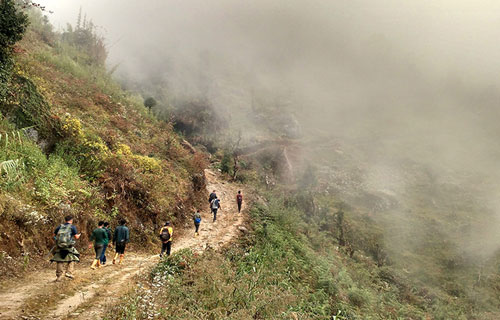

Wildlife destinations in NEPAL
Explore Nepal's Tiger Reserves: A Wildlife Haven in the Heart of the Himalayas - Chitwan National Park and Bardia National Park
Nepal, renowned for its majestic mountains and rich cultural heritage, is also home to some of the most biodiverse landscapes on Earth. Among its treasures are the magnificent tiger reserves, where the royal Bengal tiger roams freely amidst lush forests and rugged terrain.
Chitwan national park:
Chitwan National Park is a UNESCO World Heritage Site and one of Nepal’s most prized natural treasures. Nestled in the lush subtropical lowlands of southern Nepal, Chitwan is a sanctuary for diverse wildlife, including the majestic Bengal tiger, the rare one-horned rhinoceros, and countless bird species. Located in the subtropical lowlands of southern Nepal, spanning over 932 square kilometers, Chitwan National Park is a biodiverse haven boasting a remarkable variety of flora and fauna.
Home to a significant population of Bengal tigers, along with other iconic wildlife such as one-horned rhinoceros, elephants, leopards, and sloth bears. Explore the park on elephant-back safaris, jeep safaris, or guided nature walks to encounter the diverse flora and fauna that inhabit this vibrant ecosystem.
Explore the vibrant culture of the Tharu community, indigenous to the region surrounding Chitwan National Park. Visit traditional Tharu villages and immerse yourself in their customs, cuisine, and hospitality, gaining a deeper understanding of the symbiotic relationship between humans and nature in this unique ecosystem.
More information for visitors:
- Location: Chitwan National Park is located in the subtropical lowlands of southern Nepal, primarily in the districts of Chitwan, Nawalpur, Parsa, and Makwanpur.
- How to reach: Reaching Chitwan National Park is relatively convenient, with various transportation options available from major cities in Nepal like Kathmandu, Pokhara,
- Best time to visit: October to early March is the best time to visit Chitwan for pleasant 25°C temperatures, but if you can stand the heat, come in April and May, the end of the dry season when wildlife gathers at waterholes.
- Entry requirements: There is an entry fee for visitors, with separate charges for domestic and foreign nationals.
- Guided Tour: Guided tours and boat rides are available for visitors to explore the park and observe its wildlife closely.
- Accommodation: Choose from a range of accommodation options, including luxury lodges, rustic jungle resorts, and community-run guesthouses, offering comfortable stays amidst nature. Enjoy delicious Nepali cuisine and traditional Tharu dishes at on-site restaurants, and unwind with cultural performances and nature walks organized by your accommodation providers.
Bardia National Park:
Bardia National Park is a hidden treasure tucked away in the remote western lowlands of Nepal. Renowned for its pristine wilderness and rich biodiversity, Bardia offers an off-the-beaten-path safari experience amidst lush forests, tranquil rivers, and diverse wildlife.
Spread across 968 square kilometers, Bardia National Park is one of the largest and least disturbed protected areas in Nepal. Home to a thriving population of Bengal tigers, Asian elephants, one-horned rhinoceros, and over 250 species of birds, Bardia promises unparalleled wildlife encounters. Explore dense Sal forests, expansive grasslands, and meandering rivers as you immerse yourself in the raw beauty of this untamed landscape.
Go on thrilling safari adventures to witness Bardia’s diverse wildlife up close. Choose from jeep safaris, elephant-back safaris, or guided nature walks led by experienced naturalists, offering you insights into the park’s ecology and animal behavior. Catch a glimpse of elusive species like the royal Bengal tiger, wild elephants, swamp deer, and the endangered Gangetic dolphin as you traverse the park’s rugged terrain.
Experience the tranquility of Bardia’s riverside campsites, where you can unwind amidst nature’s splendor. Go on exhilarating river safaris along the Karnali River, one of Nepal’s longest rivers, to spot crocodiles, river otters, and a myriad of bird species that inhabit its banks. Engage in adrenaline-pumping activities like white-water rafting or fishing excursions, offering a unique perspective of Bardia’s rich aquatic ecosystem.
More information for visitors:
- Location: It is located in lumbini Province in Mid Western Nepal
- How to reach: The nearest airport to Bardia National Park is Nepalgunj Airport in Banke district of the Bheri zone in Nepal. The flight takes about 50 minutes. From here, you have to take a bus or Jeep to Bardia, which is 3 hours away
- Best time to visit: The best time to explore the park is in November to mid May.
- Entry requirements: There is an entry fee for visitors, with separate charges for domestic and foreign nationals.
- Guided Tour: Guided tours and boat rides are available for visitors to explore the park and observe its wildlife closely.
- Accommodation: Nearby accommodations range from budget hotels to community-run homestays to luxury resorts, catering to different preferences and budgets.


Birding safari at BHUTAN
Discover the Himalayan Kingdom’s Avian Wonders:
Welcome to Birding in Bhutan, your ultimate guide to exploring the rich birdlife of the mystical kingdom nestled in the Eastern Himalayas. Bhutan, renowned for its pristine landscapes and commitment to environmental conservation, offers birdwatching enthusiasts an unparalleled opportunity to encounter a diverse array of avian species in breathtaking natural settings.
Why Birding in Bhutan?
- Bhutan is home to over 700 bird species, including several endemic and rare species, making it a must-visit destination for birdwatchers seeking unique and unforgettable encounters.
- Explore lush forests, verdant valleys, and towering mountain peaks as you search for Bhutan’s feathered inhabitants. From subtropical jungles to alpine meadows, each habitat offers its distinct avifauna.
- Experience sustainable birdwatching practices in action as Bhutan prioritizes environmental conservation through measures such as maintaining protected areas, promoting eco-friendly tourism, and preserving critical bird habitats.
Birding Destinations in Bhutan
Phobjikha Valley:
- Known as the winter roosting grounds of the majestic Black-necked Crane, Phobjikha Valley also hosts a variety of other bird species, including the Himalayan Monal, Blood Pheasant, and Rufous-necked Hornbill.
Jigme Dorji National Park:
- Explore the diverse ecosystems of Bhutan’s largest national park, home to an abundance of avian life, including the Satyr Tragopan, Ward’s Trogon, and Beautiful Nuthatch.
Royal Manas National Park:
- Embark on an adventure through the pristine wilderness of Royal Manas National Park, where you can spot rare species such as the White-bellied Heron, Pallas’s Fish Eagle, and Oriental Pied Hornbill.
Seasonal Highlights
Spring Migration:
- Witness the spectacle of spring migration as birds return to Bhutan from their wintering grounds, filling the air with song and color.
Breeding Season:
- Experience the excitement of the breeding season as resident species display their vibrant plumage and engage in courtship rituals amidst the verdant landscapes of Bhutan.
Autumn Migration:
- Bid farewell to summer as migratory birds depart Bhutan’s shores, embarking on their journey to warmer climates.
Bird Families Found in Bhutan:
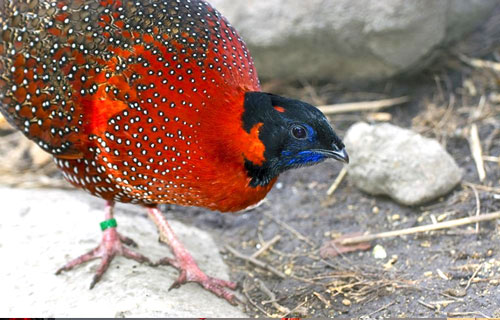
- Pheasants and Allies (Phasianidae): Includes the iconic Himalayan Monal, Satyr Tragopan, and Blood Pheasant.
- Herons and Egrets (Ardeidae): Species like the White-bellied Heron inhabit Bhutan’s rivers and wetlands.
- Raptors (Accipitridae and Falconidae): Includes the majestic Pallas’s Fish Eagle, Himalayan Griffon, and Eurasian Hobby.
- Owls (Strigidae): Species such as the Collared Owlet and Himalayan Owl can be found in Bhutan’s forests.
- Barbets (Megalaimidae): Bhutan is home to colorful species like the Great Barbet and Blue-throated Barbet.
- Laughingthrushes and Sibias (Leiothrichidae): Includes the Rufous-chinned Laughingthrush and Black-faced Laughingthrush.
- Sunbirds (Nectariniidae): Species like the Fire-tailed Sunbird add vibrancy to Bhutan’s forests.
- Tits (Paridae): Bhutan hosts species such as the Yellow-browed Tit and Green-backed Tit.
- Flycatchers (Muscicapidae): Includes the Rufous-gorged Flycatcher and Slaty-backed Flycatcher.
- Nuthatches (Sittidae): Species like the Beautiful Nuthatch are found in Bhutan’s coniferous forests.
- Warblers (Sylviidae): Bhutan is home to species such as the Chestnut-crowned Warbler and Greenish Warbler.
- Thrushes (Turdidae): Includes the White-collared Blackbird and Dark-sided Thrush.
- Yuhinas (Zosteropidae): Species like the Whiskered Yuhina can be spotted in Bhutan’s mixed forests.
- Finches and Buntings (Fringillidae and Emberizidae): Includes the Fire-fronted Serin and Little Bunting.
- Parrotbills (Sylviidae): Bhutan hosts species like the Rufous-fronted Bushtit and Black-throated Parrotbill.
Notable Species:
- Black-necked Crane
- Ward’s Trogon
- Beautiful Nuthatch
- Himalayan Monal
- Satyr Tragopan
- Blood Pheasant
- Rufous-necked Hornbill
- White-bellied Heron
- Pallas’s Fish Eagle


